The Magic of Mabon: Embracing the Beauty of Letting Go
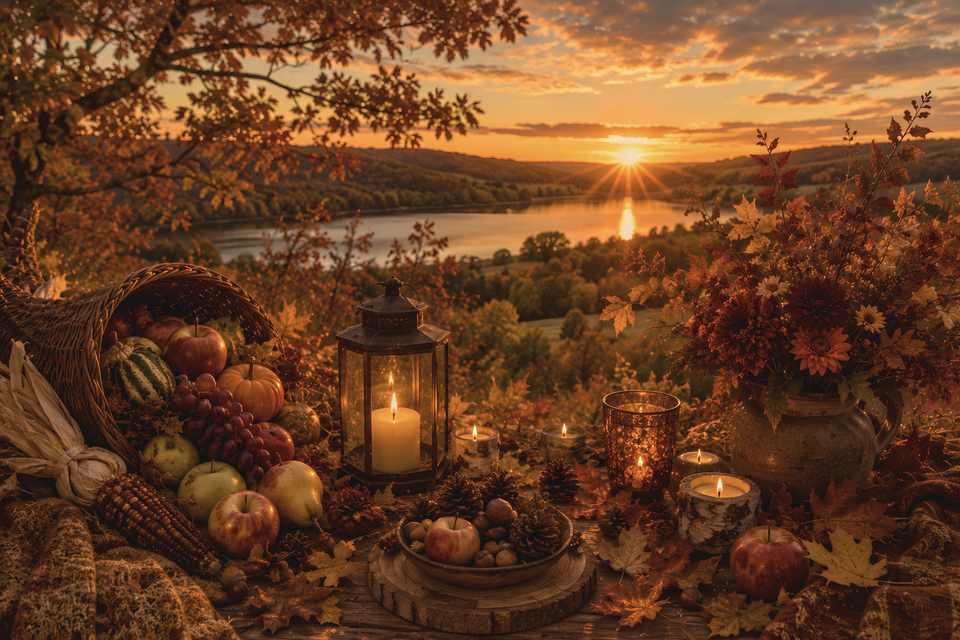
From the Candle's Glow
There is a certain kind of beauty that only autumn understands. It is found in golden leaves drifting quietly to the earth, in crisp mornings wrapped in sweaters and warm tea, in sunsets that seem to linger just a little longer before surrendering to twilight. It is the beauty of knowing that endings are not failures—they are part of the rhythm that makes every beginning possible. This is Mabon.
Each year, when the Autumn Equinox arrives, I find myself slowing down almost instinctively. The frantic energy of summer softens into something quieter, something more contemplative. I begin noticing not only the changing colors around me but the changes within me as well.
Autumn has always felt like the season that understands the soul. It asks us to release what no longer belongs. To celebrate what has sustained us. To trust that letting go is not the opposite of growth—it is one of its most sacred expressions. The trees never apologize for releasing their leaves, and neither should we.
What Is Mabon?
Mabon is celebrated during the Autumn Equinox, usually around September 21–23 in the Northern Hemisphere. Like Ostara in the spring, the Autumn Equinox is a day of perfect balance. Day and night stand as equals one final time before darkness gradually begins to outweigh the light.
Mabon is the Second Harvest Festival, following Lughnasadh and preceding Samhain. Historically, this was the season when communities gathered the last of the fruits, vegetables, herbs, grapes, and grains before preparing for winter.
It was a time of:
- Thanksgiving
- Reflection
- Preservation
- Community
- Balance
- Gratitude
Although the modern name "Mabon" was adopted relatively recently within contemporary Pagan traditions, the celebration itself reflects ancient harvest customs observed throughout Europe for thousands of years. This season has always reminded humanity of one simple truth: Everything has its season.
The Spiritual Meaning of Mabon
Spiritually, Mabon is one of the most introspective sabbats of the year. It asks us to pause, to breathe, and to look back before we move forward. Unlike Lughnasadh, which celebrates the excitement of the first harvest, Mabon feels more mature and more thoughtful. It carries the wisdom that comes only after living.
This season asks:
- What has this year taught me?
- What blessings have I gathered?
- What am I finally ready to release?
- Where do I need greater balance in my life?
Mabon reminds us that abundance is not only measured by what we possess. It is measured by what we have learned.
The Balance Between Light and Darkness
One of the most beautiful aspects of Mabon is the balance of the equinox. For one day, daylight and darkness exist in perfect harmony. Soon afterward, the nights will grow longer. Rather than fearing the returning darkness, ancient cultures understood it as necessary. The earth rests, seeds sleep, animals prepare, and people gather close to home.
The darkness is not punishment. It is preparation. In our own lives, periods of quiet often arrive after seasons of great activity. Mabon teaches us not to resist these slower moments. Instead, it invites us to honor them because growth continues even in stillness.
Symbols of Mabon
Every sabbat carries its own sacred language through symbols. Mabon's symbols are rooted in gratitude, abundance, and transition.
Autumn Leaves: Leaves become one of the greatest teachers during this season. They release when it is time. They do not cling. They trust the wind.
Apples: Long associated with wisdom, immortality, and the Otherworld in Celtic folklore, apples symbolize the harvest of knowledge gathered throughout the year. Cut an apple across its middle, and you'll discover the hidden five-pointed star within its seeds. A beautiful reminder that magic often hides beneath ordinary things.
Cornucopia: The horn of plenty represents abundance, nourishment, generosity, and gratitude. It reminds us to appreciate what we already have before longing for what comes next.
Grapes and Wine: Grapes symbolize celebration, transformation, and the sweetness born through patience. They remind us that some blessings require time before they become fully realized.
Candles: As daylight begins to fade earlier each evening, candles become symbols of the inner light we carry into darker seasons.
Honoring Mabon in Everyday Life
Mabon's rituals are often beautifully simple.
Begin a Gratitude Practice: Write down five blessings each evening. Not only the obvious ones. Notice the quiet gifts. The conversation that lifted your spirit. The peaceful walk. The unexpected kindness. Gratitude changes how we experience abundance.
Bake with the Harvest: Bake apple bread, pumpkin muffins, or pear tarts. Anything prepared with gratitude becomes its own offering.
Decorate with Autumn's Gifts: Gather fallen leaves, acorns, pinecones, pumpkins, apples, dried flowers, and candles. Allow your home to reflect the changing season. Nature has already created the decorations.
Walk Through Falling Leaves: Leave your phone behind. Listen. Notice. Watch how easily the trees surrender what no longer serves them. Let them become your teachers.
Release Something: Write down a fear, habit, resentment, or belief you've outgrown. Burn the paper safely or bury it beneath the earth. Honor the release. Make room for something new.
Mabon and the Courage to Let Go
This is perhaps why autumn has always been my favorite season. It has never felt like an ending. It feels like honesty. The trees show us exactly where they are in their cycle. They don't pretend to remain in bloom. They don't fear appearing bare. They understand that releasing is part of becoming.
I've often found the same to be true in my own life. Some chapters ended because they needed to. Some relationships taught me exactly what they were meant to teach. Some dreams changed shape. Some versions of myself quietly fell away. Looking back now, I don't mourn those seasons. I thank them because every ending prepared the ground for the life I now live. That's why Mabon feels so deeply sacred to me. It reminds me that letting go is not losing. It is trusting.
The Harvest of the Heart
Not every harvest can be measured. Some are invisible. Sometimes we spend years cultivating these unseen gardens. Then one autumn afternoon we realized they had finally bloomed.
Here are the gardens:
- Confidence
- Forgiveness
- Healing
- Peace
- Boundaries
- Self-worth
- Hope
- Love
The Glow We Carry Forward
As the Wheel turns toward the quiet mysteries of Samhain, Mabon offers us one final invitation to stand in gratitude. To celebrate every lesson, every blessing, every goodbye, and every beginning that followed.
The Autumn Equinox reminds us that life is always balancing itself, even when we cannot yet see the whole picture. May you gather your harvest with gratitude. May you release what has finished its work. May you trust the beauty found in every ending. For the trees have always known the secret: Sometimes the most beautiful thing we can do is let go.
By Candlelight,
HN Staples
"Autumn never asks the trees to hold on longer than they were meant to. Neither should we." — HN Staples

Comments ()