December’s Threshold: Stepping Into the Stillness of Winter
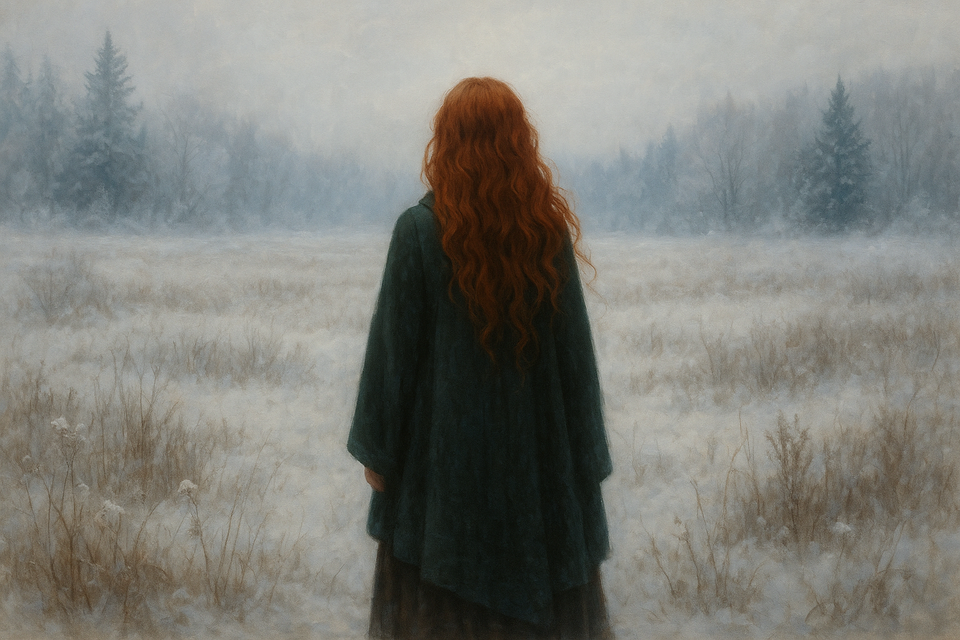
December arrives like a soft-spoken guest—quiet, unassuming, yet carrying an ancient wisdom we feel in our bones. The last leaves have long surrendered to the wind, the air thins with frost, and something within us recognizes that we are crossing a threshold. Not just into a new month, but into a different rhythm of life. Winter asks us to listen. Not with our ears, but with our inner world.
As the days grow shorter, we begin to understand why so many spiritual traditions treat this season as sacred. December is the month between breaths—where endings and beginnings sit so close together that the veil between them feels almost invisible. It is here, in this quiet space, that we finally have room to hear our own souls.
The Art of Slowing Down
The world around us may encourage hustle, urgency, and perfectly wrapped expectations, but winter has a different agenda. It invites us to slow down, soften, and return home to ourselves. There is magic in allowing your mornings to linger a little longer, in choosing warmth over productivity, in giving your heart permission to rest. Stillness is not stagnation. Stillness is wisdom.
December asks us to savor the silence, to trust that growth is happening beneath the surface—just as it does in nature, quietly, faithfully, patiently.
The Energy of Early Winter
Winter doesn’t demand change; it nurtures it. Its energy is reflective, inward, and honest. In December, we naturally begin to shed what no longer fits us—old habits, outdated stories, the pieces of ourselves we’ve outgrown. We begin to sense which dreams want to follow us into the new year and which ones we must gently release.
This is a month of:
- Soft contemplation
- Inner clarity
- Letting the heart settle
- Listening for subtle guidance
- Preparing fertile ground for transformation
When we stop rushing, we start hearing. And in that hearing, we find direction.
Creating a Cozy Winter Sanctuary
There is something deeply spiritual about tending to your space during December. Lighting candles becomes a prayer. Wrapping yourself in blankets becomes a ritual. Warm drinks become a grounding spell. To embrace the stillness of winter, allow your home to become a sanctuary—somewhere that holds you as tenderly as you hold others.
Consider:
- Bringing in evergreens for protection
- Using candlelight at dawn or dusk
- Brewing teas that warm not just the body but also the spirit
- Creating a small winter altar with pinecones, twigs, crystals, or handwritten intentions
Your home becomes a mirror of your inner landscape—soft, intentional, and deeply alive.
A Time for Gentle Reflection
December permits us to look back on the year with compassion rather than judgment. There is nothing to fix here, only to understand. Nothing to redo, only to release.
Ask yourself:
- What did this year teach me?
- What am I ready to let go of?
- What is calling me forward?
- Where did I surprise myself with my strength?
Reflection becomes a way of honoring the past while preparing the heart for the future.
Honoring the Quiet Magic of December
Even in the coldest months, there is beauty to be found—a beauty that doesn’t shout, but whispers. The sun rises with a muted glow, the nights shimmer with winter constellations, and the air carries a humility that reminds us to soften. December is a teacher of quiet miracles.
It tells us that transformation doesn’t always need to be loud or visible. Sometimes it’s the subtle, unspoken shifts—the quiet rearranging within—that carry us into who we are becoming.
So as you step into this month, allow the stillness to be your companion. Let it steady you. Let it soften you. Let it guide you back home.
Closing Reflections
In this threshold between seasons and years, remember that you are allowed to rest. You are allowed to soften. You are allowed to begin again—slowly, intentionally, and in your own time. December is not an ending; it is a gentle lantern guiding you into your next chapter.
By Candlelight,
HN Staples
"In the hush of winter, even silence becomes a teacher." —HN Staples